Urban beekeeping has become a popular and sustainable activity in cities worldwide, offering ecological, economic, and personal benefits. With the rising awareness of the environmental importance of bees and a growing demand for locally sourced honey, urban beekeeping can be transformed into a lucrative business. This article explores the key steps to turning urban beekeeping into a thriving venture, from understanding regulations to marketing and scaling your business.
The Growing Appeal of Urban Beekeeping
Urban beekeeping refers to maintaining bee colonies in densely populated areas, such as rooftops, backyards, and community gardens. City environments offer a surprisingly rich and diverse range of nectar sources from local parks, gardens, and even street trees. The benefits of urban beekeeping include:
- Pollination Services: Bees are critical pollinators, helping maintain city biodiversity by pollinating flowers, fruits, and vegetables.
- Honey Production: Urban beekeepers can produce unique, highly prized honey, often with complex flavors due to the diverse flora available in urban environments.
- Sustainability: Beekeeping contributes to urban green spaces, enhancing environmental quality and promoting ecological balance.
With proper planning and strategic marketing, these benefits can form the foundation of a successful urban beekeeping business.
Understanding Local Regulations and Compliance
The first step to establishing a successful urban beekeeping business is ensuring legal compliance. Different cities have varying rules and regulations regarding beekeeping. Some cities limit the number of hives or impose restrictions on hive placement, such as maintaining a certain distance from property lines or requiring barriers to protect neighbors.
Before investing in beekeeping equipment, check with local authorities or agricultural departments for necessary permits and licenses. Compliance with these rules will protect your business from legal setbacks.
Key Regulatory Considerations:
- Zoning Laws: Confirm that beekeeping is permitted in your area.
- Hive Limitations: Some cities limit the number of hives on a property.
- Registration Requirements: You may need to register your hives with a local agricultural body.
Setting Up Your Urban Apiary
Once you’ve secured the necessary permits, the next step is setting up your apiary. Choosing the right location is crucial to the success of your operation. In urban areas, hives can be placed on rooftops, balconies, or in small backyards. Bees require access to a variety of flowering plants, water sources, and space for their hives.
Essential Equipment for Urban Beekeeping:
- Hives: There are various types of hives available, such as Langstroth, Warre, and top-bar hives. The Langstroth hive is the most common due to its high honey yield, while top-bar hives are favored by natural beekeepers for their simplicity.
- Protective Gear: Always invest in high-quality protective gear, including beekeeping suits, gloves, and veils.
- Smoker: A smoker helps calm the bees during hive inspections, reducing the risk of stings.
- Feeders and Waterers: In periods of low nectar flow, you’ll need to supplement the bees’ diet with feeders to ensure their health.
Maintaining your hives requires regular inspections to monitor colony health, address pests and diseases, and ensure that the bees are producing honey.
Honey Harvesting and Production
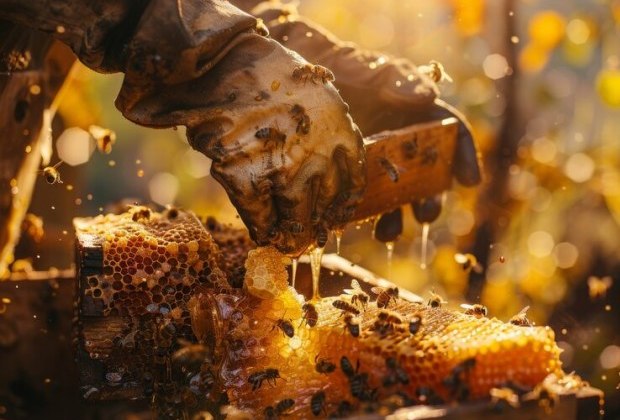
One of the most attractive aspects of beekeeping is honey production. Harvesting honey from urban hives typically occurs once or twice a year, depending on the climate and the productivity of your bees. Once the honeycombs are full and capped, you can extract the honey using a centrifugal extractor, strain it to remove debris, and bottle it for sale.
Urban honey is often sought after for its unique flavor profile, which varies depending on the types of plants available to the bees. This diversity of nectar sources makes urban honey a premium product that can be marketed effectively as a local, artisanal good.
Expanding Product Offerings:
- Beeswax: Beyond honey, beeswax is in demand for making candles, cosmetics, and balms.
- Royal Jelly and Propolis: Both products have medicinal properties and can be sold at premium prices.
- Pollination Services: Some beekeepers offer pollination services to urban farms and gardens, adding another revenue stream to the business.
Scaling Your Business
As your urban beekeeping operation grows, you may want to expand your offerings and customer base. Here are a few strategies to scale your business:
1. Local Partnerships and Sales Channels
Building partnerships with local businesses can help grow your brand. Many urban beekeepers sell their products at farmers’ markets, local grocery stores, and online. Partnering with local restaurants, bakeries, and health food stores can also create consistent demand for your honey.
Consider diversifying your sales channels by offering honey subscriptions, where customers receive a monthly or quarterly delivery of fresh honey. Selling your products through an e-commerce platform or your website can also expand your reach beyond your local area.
2. Beekeeping Consultancy and Workshops
If you’re an experienced beekeeper, you can offer consulting services to others looking to start their own hives. Many urban dwellers want to learn about beekeeping but lack the knowledge or confidence to start. Offering workshops or consulting services provides an additional revenue stream while promoting sustainable practices.
3. Hive Leasing Programs
Hive leasing allows businesses and homeowners to support beekeeping without managing the hives themselves. You install and maintain hives on their property, and they receive a portion of the honey produced. This model provides consistent income while helping others contribute to bee conservation.
Marketing Your Urban Beekeeping Business
Marketing is key to turning your urban beekeeping hobby into a profitable business. A well-thought-out marketing strategy should include both online and offline efforts.
1. Build a Strong Brand Identity
Create a brand that reflects your values, whether it’s sustainability, local production, or high-quality artisanal honey. Use a professional logo and cohesive packaging for your honey products. Branding can differentiate your products in a crowded market and attract loyal customers.
2. Leverage Social Media and Digital Marketing
Social media platforms like Instagram, Facebook, and Pinterest are great for showcasing your beekeeping process, sharing educational content, and engaging with potential customers. Use high-quality images and videos to highlight the uniqueness of your urban honey and the positive environmental impact of your business.
3. Offer Local Experiences
Create opportunities for community engagement by offering honey tastings, hive tours, or beekeeping workshops. These activities not only generate revenue but also build a strong connection with your local customer base.
Challenges and Solutions
While urban beekeeping has many rewards, it also comes with challenges. Limited forage options in cities can affect honey production, and bees may face higher exposure to pollutants. To mitigate these issues, consider planting pollinator-friendly plants near your hives and encourage neighbors to do the same. Additionally, regularly monitor hive health to ensure your bees are thriving in their urban environment.
Conclusion
Urban beekeeping offers an exciting opportunity to contribute to environmental sustainability while generating income through honey production, pollination services, and educational experiences. By carefully managing your hives, complying with local regulations, and implementing a smart marketing strategy, you can turn your urban beekeeping hobby into a thriving business.