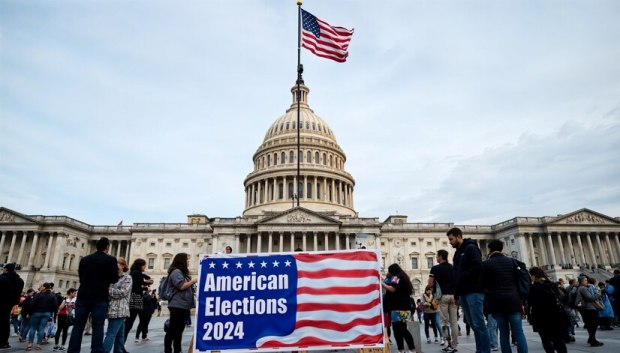
In recent years, Donald Trump’s approach to foreign policy has reshaped the global business landscape. His administration’s “America First” policies, trade disputes, and challenges to multilateral institutions have prompted profound shifts in international commerce, alliances, and regulatory frameworks. In this article, we’ll explore the ways in which Trump’s foreign policy has influenced global business, focusing on trade relations, supply chains, investments, and corporate strategies worldwide.
The “America First” Policy: A Foundation of Disruption
Trump’s foreign policy rested on the principle of “America First,” which sought to boost U.S. economic interests even at the cost of disrupting established international partnerships. This framework emphasized:
- Trade protectionism: The U.S. imposed tariffs on numerous imports, especially from China, aiming to protect domestic industries.
- Renegotiation of trade agreements: Deals such as NAFTA were reformed into the USMCA, with conditions more favorable to the U.S.
- Rebalancing alliances: Trump challenged the relevance of alliances like NATO, arguing that the U.S. was bearing too much financial responsibility.
This approach created a new environment for global businesses, characterized by regulatory unpredictability and shifting trade dynamics, particularly in relations with China and the European Union.
U.S.-China Trade War and Its Global Ripple Effects
The U.S.-China trade war marked a defining moment in Trump’s foreign policy, leading to billions of dollars in tariffs that affected global supply chains. Trump’s administration implemented tariffs on Chinese goods to counter alleged unfair trade practices, intellectual property violations, and an unbalanced trade deficit. China responded with tariffs on American goods, creating a cycle that strained businesses on both sides of the Pacific.
Key Impacts on Global Business
- Supply Chain Realignments: Tariff uncertainties forced companies to reassess supply chains, with many relocating manufacturing to other Asian countries or back to the U.S. This transition often led to increased operational costs but diversified business risks.
- Shift to Domestic Production: To sidestep tariffs, some U.S. firms accelerated domestic manufacturing efforts. However, this trend increased production costs due to higher labor expenses, affecting pricing strategies and competitiveness.
- Technology and Intellectual Property: The trade war intensified scrutiny over Chinese technology companies, with the U.S. government pressing allies to ban companies like Huawei from sensitive networks. This led to widespread caution toward technology sharing and cross-border research partnerships.
Impact on U.S.-Europe Relations: A Divisive Alliance
Trump’s approach to Europe was one of skepticism, marked by demands for increased defense spending from NATO allies and threats of auto tariffs against major economies like Germany. These actions introduced tensions that continue to affect trade and investment decisions across Europe. European businesses and governments increasingly looked to diversify their partnerships to reduce dependency on the U.S., creating new trade alliances within the EU and with countries such as Japan and Australia.
Consequences for Multinational Corporations
- Regulatory Divergence: European firms faced challenges as U.S. tariffs and regulatory shifts disrupted their established trade channels.
- Strategic Partnerships: Multinational corporations reassessed their European operations, often strengthening ties within the EU and reducing reliance on U.S. imports.
- Shifts in Defense Spending: With pressure from the U.S., many European countries increased their defense budgets, providing opportunities for defense contractors and manufacturers in Europe and the U.S.
The Role of Energy Policy: From Globalism to Isolationism
Trump’s foreign policy had significant implications for energy markets. The administration sought to boost American energy independence by lifting restrictions on oil and gas production and withdrawing from international climate accords, including the Paris Agreement. This approach brought both immediate benefits and long-term uncertainties to the global energy market.
- Increased Oil and Gas Exports: The U.S. became a major exporter of oil and gas, strengthening its position in the global energy market but also creating friction with traditional energy exporters like Saudi Arabia and Russia.
- Environmental Regulations: Trump’s rollback of environmental regulations allowed energy companies to operate with fewer constraints domestically, prompting concerns about climate change internationally.
- Investment Shifts: Investors and firms in renewable energy saw reduced support under Trump, while fossil fuel companies benefitted. This created divergent trends where some countries accelerated renewable energy development while others maintained traditional energy sources.
Challenges to Multilateralism: A New Age of Nationalism
Trump’s foreign policy took a decisive stance against many multilateral institutions, including the United Nations, the World Health Organization (WHO), and the World Trade Organization (WTO). This strategy aimed to redirect resources toward national interests but also weakened collaborative responses to global issues like health crises and trade disputes.
Effects on Global Businesses
- Trade Disruptions: Trump’s stance led to increased trade disputes and a reduction in WTO efficacy, leaving businesses with limited recourse for trade grievances.
- Health and Safety Protocols: During the COVID-19 pandemic, the U.S. withdrew from the WHO, challenging coordinated global health responses and creating inconsistencies for global businesses operating in diverse regulatory environments.
- Divergent Standards: The U.S. departure from multilateral agreements on climate and trade pushed companies to adopt varied standards across regions, increasing compliance costs for multinationals.
Corporate Adaptations to Trump’s Foreign Policy
Companies around the world adopted various strategies to mitigate risks stemming from Trump’s foreign policy actions. Some of these included:
- Diversifying Markets: Corporations expanded to alternative markets, such as Southeast Asia, to reduce dependence on the U.S.-China corridor.
- Increased Investment in Lobbying: Many companies turned to lobbying in an attempt to influence tariff and regulatory policies. This trend was particularly evident in the technology and automotive sectors, which faced complex tariff implications.
- Crisis Preparedness: Corporations strengthened their crisis management frameworks, particularly around trade restrictions and supply chain disruptions, to remain resilient in a politically turbulent environment.
- Currency and Financial Hedging: Due to the uncertainty of exchange rates affected by Trump’s policies, companies increasingly relied on financial hedging to stabilize their revenues.
The Future of Global Business Amid Political Uncertainty
With Trump’s potential influence on future U.S. policies, global businesses continue to navigate an uncertain landscape. As nationalist policies gain traction globally, businesses are increasingly factoring geopolitical risks into their strategies. While some companies may revert to traditional globalism if Trump’s policies are fully reversed, others might retain the changes they adopted to mitigate risk and reduce dependency on single markets.
In summary, Trump’s foreign policy has left a lasting impact on the global business landscape. Companies have been compelled to reassess strategies, diversify supply chains, and account for regulatory unpredictability. As businesses continue adapting to these changes, their ability to navigate political volatility and foster resilience will be crucial for sustaining growth in a complex global environment.