Introduction
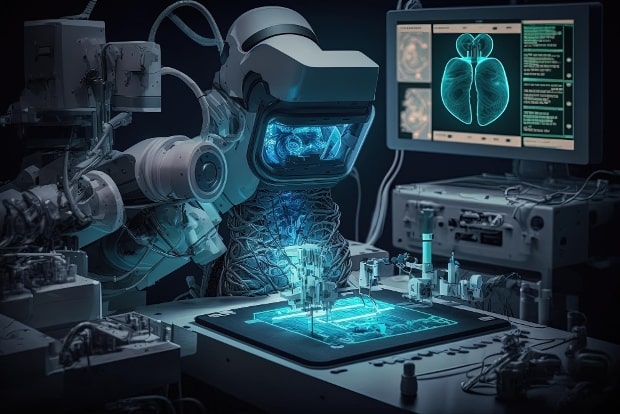
In recent years, robotics has emerged as a transformative force in the healthcare industry, revolutionizing the way surgeries are performed and enhancing patient care. From precision in surgical procedures to efficiency in hospital management, the integration of robotics in healthcare is paving the way for groundbreaking advancements. This article delves into the latest innovations in robotic surgery and patient care, exploring their impact on the medical field.
Robotic Surgery: Precision and Innovation
The Rise of Robotic-Assisted Surgery
Robotic-assisted surgery has seen significant advancements since its inception. Pioneered by systems like the da Vinci Surgical System, robotic surgery allows for minimally invasive procedures with unparalleled precision. Surgeons control robotic arms equipped with surgical instruments, providing enhanced dexterity and control. This technology reduces the margin of error, minimizes tissue damage, and accelerates patient recovery times.
Benefits of Robotic Surgery
Robotic surgery offers numerous benefits over traditional methods:
- Minimally Invasive: Smaller incisions reduce scarring and postoperative pain.
- Enhanced Precision: Robots can perform delicate procedures with high accuracy, reducing the risk of complications.
- Faster Recovery: Patients often experience shorter hospital stays and quicker recovery periods.
- Reduced Blood Loss: The precision of robotic instruments leads to less bleeding during surgery.
Case Studies and Success Stories
Numerous case studies highlight the success of robotic surgery in various fields:
- Cardiac Surgery: Robotic systems have improved outcomes in complex heart surgeries, allowing for precise manipulation of cardiac tissues.
- Orthopedic Surgery: Robotics enhances joint replacement procedures, ensuring accurate alignment and positioning of implants.
- Neurosurgery: The precision of robotic systems is invaluable in brain surgery, where even slight deviations can have significant consequences.
Robotics in Patient Care: Enhancing Efficiency and Comfort
Automated Hospital Management
Robotics extends beyond the operating room into hospital management, streamlining operations and improving patient care:
- Automated Medication Dispensing: Robots can accurately dispense medications, reducing the risk of human error and ensuring timely delivery to patients.
- Transport Robots: Autonomous robots transport medical supplies, linens, and food within hospitals, freeing up staff to focus on patient care.
Patient Monitoring and Support
Robotic systems also play a crucial role in patient monitoring and support:
- Telepresence Robots: These robots enable remote consultations, allowing doctors to interact with patients from afar. This is particularly beneficial in rural or underserved areas.
- Rehabilitation Robots: Robotics assist in physical therapy, providing consistent and precise movements to aid patient recovery.
The Future of Robotics in Healthcare
Advancements on the Horizon
The future of robotics in healthcare looks promising, with several exciting developments on the horizon:
- AI Integration: Combining artificial intelligence with robotics will enhance decision-making, allowing robots to learn from data and improve over time.
- Microbots: Tiny robots capable of navigating the human body could perform minimally invasive procedures or deliver targeted treatments directly to affected areas.
- Wearable Robotics: Exoskeletons and other wearable devices will assist patients with mobility issues, enhancing their quality of life.
Ethical and Regulatory Considerations
As robotics becomes more integrated into healthcare, ethical and regulatory considerations must be addressed:
- Data Privacy: Protecting patient data is paramount as robots collect and analyze vast amounts of information.
- Training and Certification: Ensuring that medical professionals are adequately trained to operate robotic systems is crucial for patient safety.
- Regulatory Approval: Rigorous testing and approval processes are necessary to ensure the safety and efficacy of new robotic technologies.
Challenges and Limitations
High Costs
One of the significant barriers to the widespread adoption of robotic technology in healthcare is the high cost. Robotic systems are expensive to purchase and maintain, and this cost can be prohibitive for many healthcare facilities. The financial burden includes not only the initial investment but also ongoing maintenance, training for medical staff, and potential upgrades.
Technological Limitations
Despite the advancements, current robotic systems have limitations:
- Complexity: Operating and maintaining robotic systems require specialized skills and training.
- Reliability: While robotic systems are generally reliable, technical failures can occur, potentially jeopardizing patient safety.
- Integration: Seamlessly integrating robotic systems with existing hospital infrastructure and workflows can be challenging.
Ethical Concerns
The rise of robotics in healthcare also brings several ethical concerns:
- Job Displacement: Automation and robotics may lead to job displacement for certain roles within healthcare.
- Patient Interaction: Over-reliance on robots could reduce the human element in patient care, affecting the patient-provider relationship.
Overcoming Challenges: Pathways to Adoption
Cost Reduction Strategies
To overcome the high costs associated with robotic systems, healthcare facilities can explore various strategies:
- Leasing Models: Leasing robotic systems instead of purchasing them outright can reduce the financial burden.
- Collaborative Purchasing: Hospitals can collaborate to purchase robotic systems, sharing the costs and benefits.
- Government Funding: Securing government grants and funding can help offset the initial investment in robotic technology.
Enhancing Technological Reliability
Improving the reliability and integration of robotic systems involves:
- Regular Maintenance: Implementing rigorous maintenance schedules to ensure robotic systems function optimally.
- Training Programs: Providing comprehensive training programs for medical staff to operate and troubleshoot robotic systems.
- Collaboration with Tech Firms: Partnering with technology companies to develop customized solutions that integrate seamlessly with existing hospital systems.
Addressing Ethical Concerns
Ethical concerns can be mitigated through:
- Job Transition Programs: Offering retraining and transition programs for employees whose roles may be affected by automation.
- Maintaining Human Interaction: Ensuring that robots augment rather than replace human caregivers, preserving the human element in patient care.
- Transparent Communication: Engaging with patients and the public to build trust and acceptance of robotic technologies in healthcare.
Conclusion
The integration of robotics in healthcare is transforming the industry, bringing precision, efficiency, and innovation to surgical procedures and patient care. Despite the challenges and ethical considerations, the potential benefits of robotic technology are immense. As advancements continue, the future of healthcare will likely see even more sophisticated and capable robotic systems, ultimately improving patient outcomes and revolutionizing the medical field.