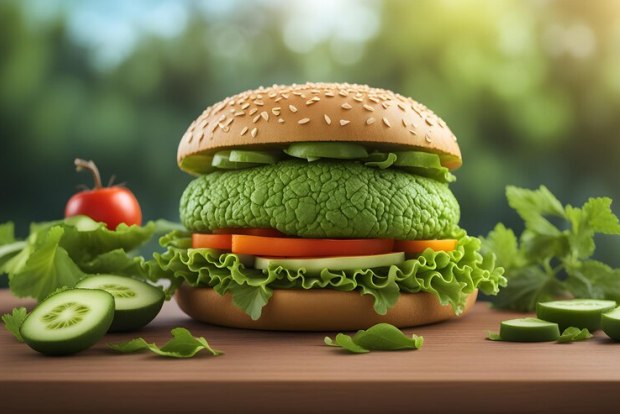
In the past few decades, fast food has become a staple of modern life, offering affordability and convenience for consumers on the go. However, as health consciousness grows and global food trends evolve, the fast food industry faces new challenges. Today, customers demand more than just speed—they expect healthier options, better ingredients, and sustainable practices. This transformation is driving the future of fast food, where innovation is not just about technology but about redefining what fast food represents.
The Rise of Health-Conscious Consumers
The fast food industry is undergoing a significant shift in response to a more health-conscious consumer base. The once-popular perception of fast food as unhealthy is being replaced by a demand for balanced meals that cater to various dietary preferences, including plant-based, gluten-free, and organic options.
- Health-Driven Choices: A growing body of evidence links processed foods, sugary drinks, and excessive calories to chronic diseases such as obesity, diabetes, and heart conditions. As a result, fast food chains are modifying their menus to reflect healthier alternatives, reducing portion sizes, cutting down on artificial additives, and offering meals that are lower in sodium and saturated fats.
- The Shift Toward Plant-Based Diets: One of the most notable shifts in the fast food landscape is the rise of plant-based options. With the increasing popularity of veganism and vegetarianism, leading chains are offering plant-based burgers, chicken alternatives, and dairy-free milk for their beverages. This movement toward sustainability and health is crucial for appealing to younger consumers, especially Gen Z and millennials.
Fast food is evolving to keep pace with modern dietary expectations, which will continue to drive change in the years ahead.
The Role of Technology in Shaping the Future of Fast Food
Advancements in technology are reshaping every corner of the fast food industry, from online ordering systems to AI-driven kitchens. Fast food chains are investing in innovations to streamline operations and enhance the customer experience.
- Online and App Ordering: Convenience remains a top priority, and the integration of mobile apps and online platforms makes ordering fast food easier than ever. Features like mobile wallets, rewards programs, and customizable meals are becoming standard across many chains, meeting consumer demand for personalization and efficiency.
- Automation in the Kitchen: In addition to customer-facing technology, automation is making its way into the kitchen. Robotic cooks and automated assembly lines ensure consistency in quality, reduce labor costs, and speed up production. For example, machines can handle tasks such as flipping burgers, frying fries, and even preparing pizzas, allowing human workers to focus on more complex tasks.
- AI-Driven Customization: Artificial intelligence is also influencing the industry by learning customer preferences to offer personalized meal suggestions. This means that when a consumer uses a mobile app or self-service kiosk, AI can recommend menu items based on previous purchases or dietary restrictions, ensuring a tailored experience.
These technological advancements not only improve efficiency but also support healthier fast food by helping to minimize food waste and improve portion control.
Sustainability: A Key Factor in the Future of Fast Food
As environmental concerns grow, sustainability is becoming a cornerstone of the future of fast food. Both consumers and businesses are more focused than ever on minimizing their environmental footprint.
- Eco-Friendly Packaging: One major area of concern is packaging. Fast food chains are notorious for their excessive use of plastics and non-recyclable materials. To combat this, many brands are committing to eco-friendly packaging solutions, such as biodegradable containers, paper straws, and reusable utensils.
- Sustainable Sourcing: The future of fast food will increasingly involve the sourcing of sustainable ingredients. More companies are pledging to use ethically sourced meat, organic produce, and products that adhere to fair-trade practices. In addition, many chains are reducing their reliance on harmful farming methods and are opting for regenerative agriculture, which helps to restore ecosystems.
- Reduction of Carbon Footprint: Fast food giants like McDonald’s and Burger King are investing in reducing their carbon footprints. Initiatives such as energy-efficient kitchens, the reduction of water waste, and the adoption of renewable energy are integral to long-term sustainability efforts. For instance, plant-based menu items also have the added benefit of reducing greenhouse gas emissions, as the production of plant-based foods tends to generate a much smaller carbon footprint than traditional animal agriculture.
Sustainability will be critical in determining which fast food chains can lead the industry in the coming years, as consumers are increasingly making purchasing decisions based on environmental impact.
The Importance of Speed: Convenience Still Reigns Supreme
While healthier and more sustainable options are crucial, speed and convenience are still the driving forces behind fast food’s success. The future of fast food will be defined by balancing these elements with the growing demands for health and sustainability.
- Drive-Thru Evolution: Even with the rise of delivery services, the drive-thru remains a key part of the fast food experience. However, the model is evolving. Many chains are experimenting with “smart drive-thrus” that use artificial intelligence to predict popular orders and speed up service times. Voice recognition technology and real-time traffic data can also help reduce wait times.
- Delivery and Ghost Kitchens: The future of fast food includes an increase in delivery services, powered by the rise of third-party apps like Uber Eats and DoorDash. Additionally, “ghost kitchens,” which are delivery-only restaurants, are emerging as a popular way to cut costs and reach more customers. These kitchens allow brands to operate with minimal overhead, avoiding the need for physical storefronts, while catering to the growing demand for home-delivered meals.
- Grab-and-Go Healthy Options: Another trend is the expansion of grab-and-go sections that offer pre-made salads, bowls, and wraps. Chains like Starbucks and Pret A Manger are leading the charge by offering healthier, fresh, and convenient meals for customers who are looking for more nutritious fast food alternatives.
Fast food will continue to evolve by integrating technology with traditional models, offering an experience that prioritizes both convenience and health.
Fast Food Meets Nutrition: Innovations on the Menu
To meet the demand for healthier meals, fast food chains are exploring innovative approaches to menu creation. This has resulted in a range of new options that prioritize nutrition without sacrificing taste or convenience.
- Alternative Proteins: Alternative proteins such as plant-based meats and lab-grown proteins are becoming mainstream. Impossible Foods and Beyond Meat have been instrumental in introducing meatless options that closely mimic the taste and texture of animal-based products. As these products become more widely accepted, expect to see a broader range of alternative proteins on fast food menus.
- Healthier Cooking Methods: Frying has long been a hallmark of fast food preparation, but chains are increasingly turning to healthier cooking methods like grilling, steaming, and air-frying. These methods reduce the amount of oil and calories in meals, making them more appealing to health-conscious consumers.
- Nutritional Transparency: Another aspect of the future of fast food is greater nutritional transparency. Many chains are now required to display calorie counts and provide detailed nutritional information about their meals. This transparency empowers customers to make informed choices, aligning with the growing consumer preference for balanced meals.
The challenge for fast food chains is to continue innovating in ways that improve nutritional value without sacrificing the flavors and speed that consumers love.
Global Trends in Fast Food: A Look at the International Market
The future of fast food isn’t just about changes in the U.S.; it’s a global transformation. Different regions are influencing the direction of fast food, particularly as diverse cultures and cuisines shape the menus of major fast food chains.
- Asian-Inspired Fast Food: Fast food chains are increasingly incorporating Asian flavors into their menus, reflecting the growing popularity of cuisines like Korean, Thai, and Japanese. Offerings such as sushi bowls, bao buns, and Korean BBQ-inspired dishes are entering the mainstream in the West, catering to the global palate.
- Localization of Menus: Fast food chains are also localizing their menus to appeal to specific markets. For example, McDonald’s serves paneer wraps in India and McSpaghetti in the Philippines. This customization is crucial for fast food brands that want to expand their global presence while catering to local tastes and preferences.
- Fast Casual and Ethnic Fusion: The “fast casual” dining model, which combines fast food convenience with higher-quality ingredients, is gaining popularity around the world. This trend is particularly evident in the rise of ethnic fusion restaurants that offer a blend of global flavors in a fast-casual setting. Think Mexican-Korean fusion or Middle Eastern-inspired bowls, which give traditional fast food a gourmet twist.
The future of fast food will be marked by increased cultural exchange, where global flavors and dining trends will continue to influence the direction of major brands.
Challenges Facing the Future of Fast Food
While the future of fast food is full of innovation and potential, it also faces several challenges.
- Rising Costs of Ingredients: Healthier ingredients, especially organic and sustainably sourced options, often come with a higher price tag. Fast food chains must find a balance between offering affordable meals while meeting the demand for quality ingredients.
- Labor Shortages: The industry is facing labor shortages, especially in the wake of the COVID-19 pandemic. Automation and technology may help alleviate some of the pressure, but human workers remain essential for providing the customer service and adaptability that machines can’t.
- Balancing Health and Taste: While consumers want healthier options, they still expect fast food to taste good. The challenge for fast food chains is creating menu items that satisfy both demands, ensuring that healthier meals are just as crave-worthy as their traditional counterparts.
Conclusion: The Road Ahead for Fast Food
The future of fast food is undeniably bright, as it embraces healthier options, sustainable practices, and cutting-edge technology to meet evolving consumer demands. Fast food chains that can adapt to these trends will not only survive but thrive in a landscape where convenience, health, and innovation are inextricably linked.
By offering more plant-based choices, prioritizing sustainability, and enhancing convenience through tech-driven solutions, the fast food industry is poised for a revolution. In the coming years, consumers can expect faster, healthier, and more sustainable dining experiences that redefine what it means to eat fast food.